Smart Design Ideas for Outdoor Living Spaces
When people think about upgrading their home, they often focus on kitchens, bathrooms, or the basement. But the space right outside your back door holds just as much potential. A well-planned yard or patio can become a natural extension of your home, a place where you cook, relax, and entertain. The trick is treating it with the same care you would any interior room, with a clear layout, durable materials, and a style that fits how you actually live.
Over the years I have seen plenty of backyards that started as a patch of grass and ended up as the favorite spot in the house. The shift does not happen by accident. It comes from thinking about outdoor living spaces as rooms, not just leftover land. That mindset changes everything from the furniture you choose to the way you handle drainage and shade.
Start with a Purpose
Before you buy a single plant or piece of furniture, ask yourself what you want this area to do. Do you host large gatherings or quiet dinners? Do you need a place for kids to play or for yourself to unwind after work? The answer will shape your layout. For example, a family with young children might prioritize a flat lawn and a play set, while someone who loves to cook might invest in a built-in grill and a prep counter. There is no wrong answer, but having one keeps you from ending up with a mismatched collection of stuff that does not quite work together.
Flooring Sets the Stage
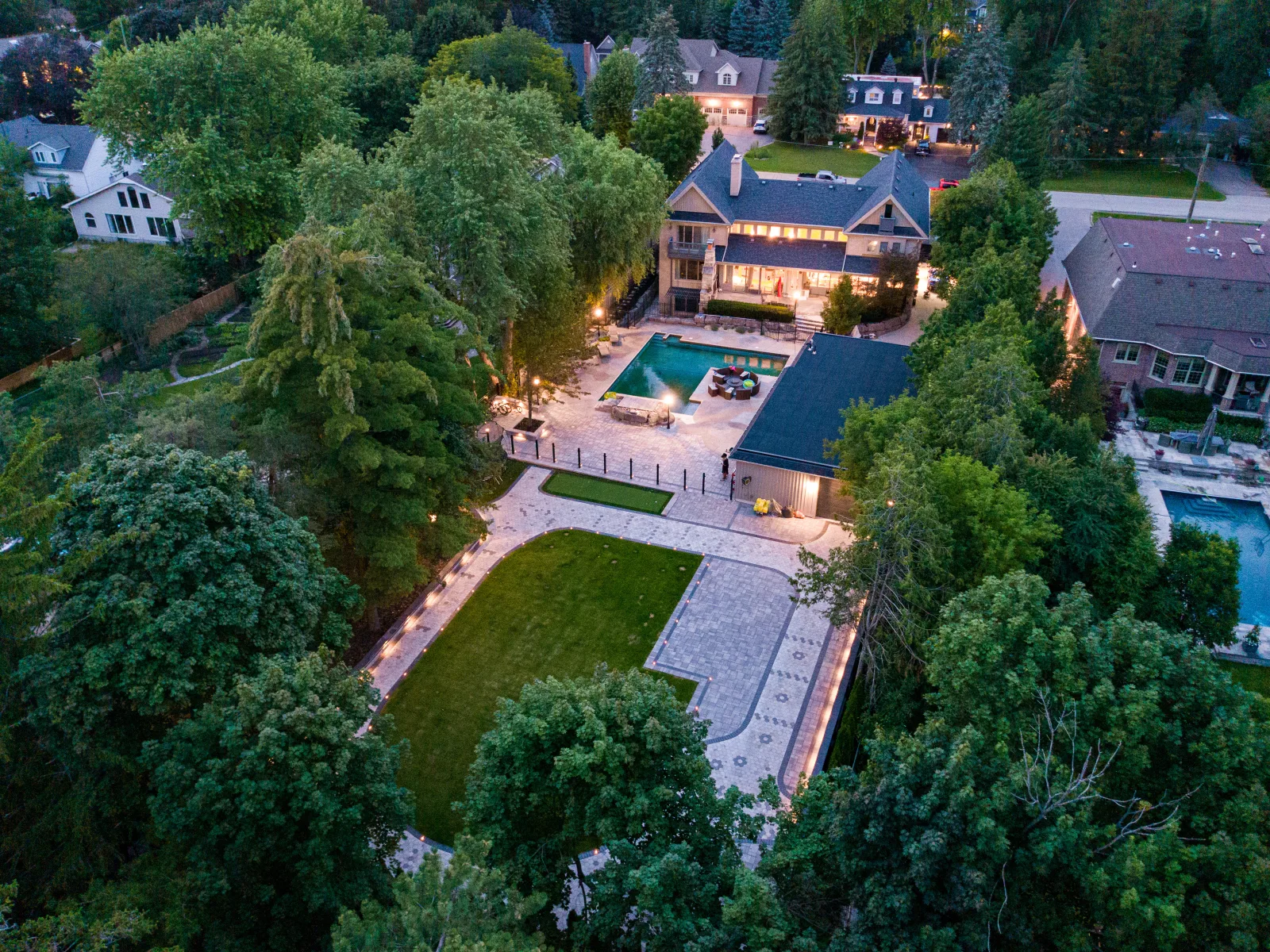
Ground surfaces are one of the most impactful choices you make. Interlocking pavers remain a favorite in the GTA because they handle freeze-thaw cycles well and offer a ton of pattern options. Concrete slabs are another solid choice, especially if you want a modern look, though they can crack over time if the base is not prepared right. Gravel is cheaper and drains quickly, but it shifts underfoot and can be tough to clear of leaves and snow. For a softer feel, composite decking boards mimic wood without the annual staining and sealing. Whatever you pick, make sure it ties into the style of your house. A sleek modern home looks odd with rustic flagstone, and a cottage-style bungalow can feel too stark with polished concrete.
Shade and Shelter
No outdoor room is comfortable if you are baking in the sun or getting dripped on. A pergola is a classic solution, offering partial shade and a structure to hang lights or vines from. If you want full coverage, a solid roof extension or a retractable awning does the job. For smaller budgets or temporary setups, a large cantilever umbrella can shade a dining table without a post in the middle. Just consider the wind. In open areas, a lightweight umbrella will blow over on the first breezy afternoon. A sturdier base or a wind-resistant model is worth the extra cost.

Furniture That Lives Outside
Indoor furniture left outside will fade, warp, and rot within a season. Look for pieces rated for outdoor use, with frames made of powder-coated aluminum, teak, or all-weather wicker. Cushions should be quick-dry foam with solution-dyed fabric that resists UV rays. That said, even the best outdoor cushions benefit from being stored indoors during heavy rain or winter. If storage space is tight, consider furniture that folds or stacks. A compact bistro set can serve a small balcony, while a modular sectional allows you to rearrange seating for parties or quiet nights.
Lighting for Late Nights
Good lighting extends the hours you can use the space and adds a layer of safety on steps and pathways. String lights are the go-to for a warm glow, but they can look messy if not hung evenly. Hardwired path lights or low-voltage LED strips under railings give a cleaner look. For task lighting near a grill or outdoor kitchen, go with brighter, directional fixtures. Dimmers are a nice touch, letting you shift from bright prep mode to soft dinner ambiance with a switch. Solar lights are easy to install but often lack the brightness for reading or cooking. If you plan to use the space after dark regularly, run a power source and use wired or low-voltage fixtures instead.
Plants as Walls and Screens
Privacy is a big reason people invest in their yards. Instead of a fence that blocks every view, consider layered planting. Tall evergreens like arborvitae create a dense screen year-round. Ornamental grasses and flowering shrubs add texture and color closer to the seating area. If you want something faster, a trellis with climbing vines like clematis or ivy can fill in within a couple of seasons. Just be mindful of maintenance. Some vines grow aggressively and need regular trimming to keep them from overtaking your house or deck.
Outdoor Kitchens and Dining
Cooking outside is not just about the grill anymore. A dedicated outdoor kitchen can include a sink, a refrigerator, storage drawers, and even a pizza oven. The key is planning the layout so the cooking area is not too far from the indoor kitchen for easy access to ingredients and cleanup. Counter space matters. You need room to set down a platter, chop vegetables, or rest a drink. Stainless steel is the standard for appliances because it resists rust and cleans easily, but it can get hot in direct sun. If your kitchen faces west, plan for afternoon glare by positioning the cooktop under a roof or overhang.
Fire and Water Features
A fire pit or outdoor fireplace turns a space into a gathering spot even on cool evenings. Propane fire tables are clean burning and easy to turn on and off, while wood-burning pits give you that campfire smell and sound. Check local bylaws before buying. Some municipalities restrict open flames or require a certain distance from property lines. Water features like a small fountain or a pond add a calming sound and can mask traffic noise. They do require maintenance though, especially if you have trees dropping leaves into the water. A recirculating pump with a filter helps keep things clean.
Storage and Practical Details
Outdoor living spaces need storage for cushions, gardening tools, toys, and grill covers. A deck box or a built-in bench with a hinged lid keeps things tidy and dry. If you have a small yard, look for furniture with hidden compartments. Also think about power. Having an outdoor-rated outlet near the seating area lets you plug in a speaker, charge a phone, or run a string of lights. Make sure it is a GFCI outlet for safety, and have it installed by a licensed electrician.
Drainage is another detail that gets overlooked. Water pooling on a patio or near the foundation can cause problems fast. Grading the ground away from the house and installing a French drain or channel drain where needed will save you headaches down the road. If you are adding a roof or pergola, plan for rainwater runoff too. A gutter system that directs water to a rain barrel or a dry well keeps the area usable right after a storm.
Bringing It All Together
The best outdoor living spaces feel like a natural part of the home, not an afterthought. They work with the climate, the architecture, and the habits of the people who use them. That means choosing materials that can handle a Canadian winter, positioning seating to catch the breeze in summer, and leaving room to move around without bumping into things. It also means being honest about how much time you want to spend on upkeep. A lush perennial garden looks beautiful but demands weeding and watering. A minimalist patio with evergreens in planters is easier to maintain and still looks sharp.
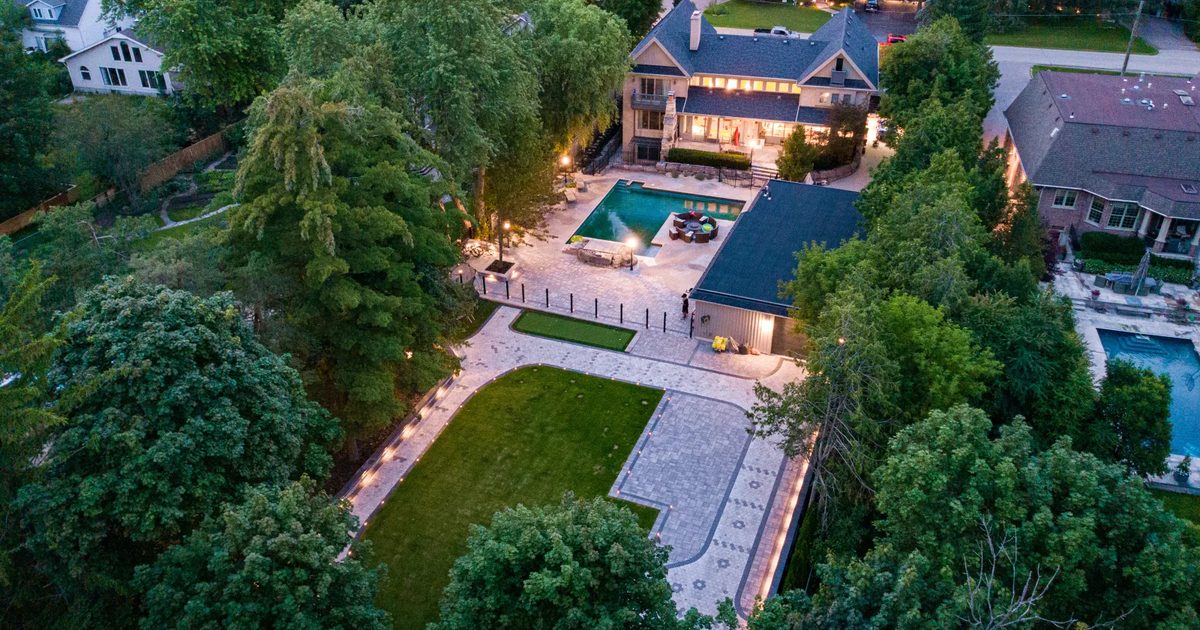
If you are planning a project and want to talk through the options with people who have done it before, Jayden's Landscaping Markham, located at 5357 19th Ave, Markham, ON L3P 3J3, Canada, can be reached at +1 647-621-4219. They have been serving the GTA since 2014 with landscaping, interlocking driveways, and backyard construction, and they know what works in this climate. A good landscape contractor can help you avoid expensive mistakes and get the layout right from the start.
Connect with us on Instagram.